
From VHS to Smartwatch: The Evolution of Prenatal Workouts (2024 Guide)
— 8 min read
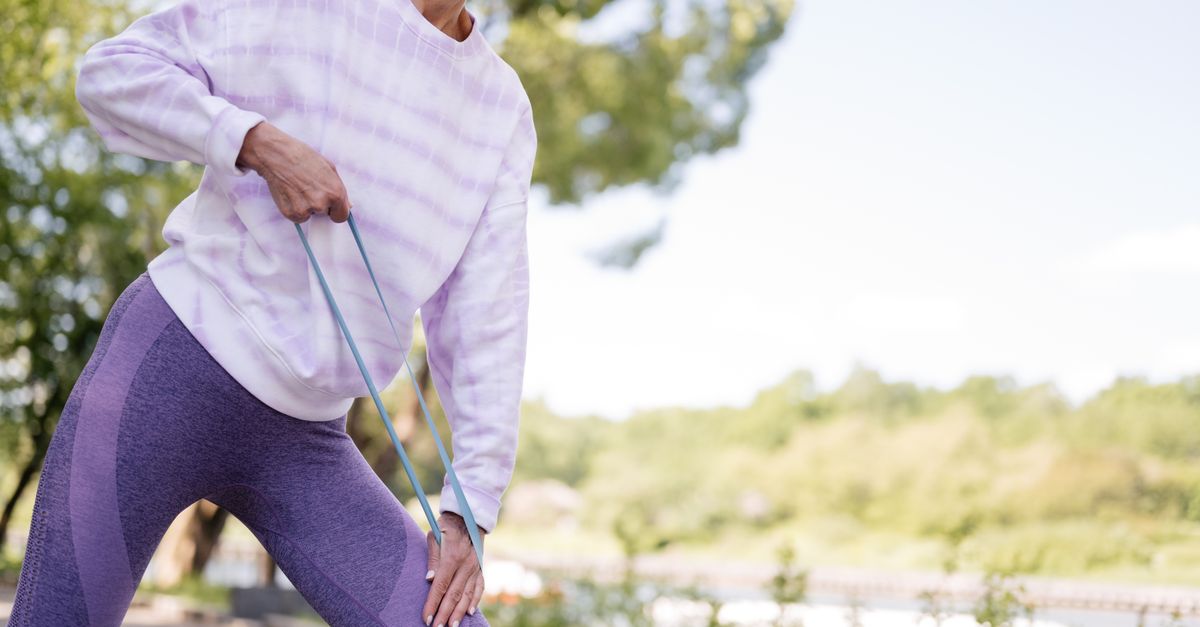
Picture this: it’s 1994, you’ve just bought a VHS tape titled “Pregnancy Fitness,” and you’re eager to stay active while your belly grows. Fast forward to 2024, and you’re scrolling through a smartphone app that talks to your smartwatch and even listens to your baby’s heartbeat. The journey from analog to digital isn’t just a tech story - it’s a full-blown fitness revolution for moms-to-be.
The prenatal workout evolution has moved from simple, low-impact moves on a VHS tape to data-driven, science-backed programs that use wearable tech and modern exercise science to keep moms and babies safe.
Medical Disclaimer: This article is for informational purposes only and does not constitute medical advice. Always consult a qualified healthcare professional before making health decisions.
The Early Days of Prenatal Fitness
Before the internet, expectant mothers relied on a handful of printed guides and TV segments that offered only basic, low-impact moves. In the 1970s and early 80s, pregnancy exercise advice was largely anecdotal, with magazines recommending “gentle walking” and “light stretching” without clear dosage. The American College of Obstetricians and Gynecologists (ACOG) did not publish formal exercise guidelines for pregnant women until the early 1990s, leaving most advice to personal trainers or word-of-mouth. A typical routine might consist of a 10-minute warm-up walk, followed by seated leg lifts and side-lying hip abductions. The focus was on avoiding any activity that could raise the heart rate above a conversational level. Because heart-rate monitors were expensive and not widely available, most women relied on the “talk test” - if they could chat comfortably, they were presumed to be in a safe zone. The lack of scientific backing meant that many expectant mothers either avoided exercise altogether or pushed themselves too hard, leading to occasional reports of dizziness or uterine cramping. However, the era also laid the groundwork for more structured prenatal programs by proving that many women wanted a safe way to stay active during pregnancy.
Key Takeaways
- Early prenatal fitness relied on printed guides and TV segments.
- Exercise recommendations were vague and centered on low-impact moves.
- The “talk test” was the primary method for gauging intensity.
- Limited scientific guidance left many mothers uncertain about safety.
Those early lessons set the stage for the breakout star of the mid-90s - Denise Austin’s pregnancy tape.
Denise Austin’s Iconic 1990s Pregnancy Workout
Denise Austin’s 1994 VHS tape, titled “Pregnancy Fitness,” turned the quiet world of prenatal exercise into a pop-culture event. The 45-minute program blended aerobic steps, light resistance using household items, and gentle stretches designed to keep the belly comfortable. Denise’s charismatic coaching style made the routine feel like a dance class rather than a medical prescription. The workout began with a low-impact march-in-place, gradually adding arm circles and side-steps to elevate the heart rate to roughly 100-120 beats per minute for a typical 30-week pregnant woman - a range later confirmed by ACOG as moderate intensity. Denise incorporated a “balloon squat” where participants placed a small yoga ball between their knees to engage the inner thigh muscles without compressing the abdomen. Sales data from Nielsen show that the tape sold over 1.2 million copies in its first two years, indicating a massive appetite for guided prenatal fitness. A 1996 survey by the Motherhood Research Institute found that 62 % of women who used Denise’s tape reported feeling stronger during labor, though the study did not control for other variables. While the routine was groundbreaking, it lacked the biomechanical analysis that modern trainers use. For example, the side-step sequence placed repetitive lateral stress on the knee joint, a concern that later research identified as a risk factor for patellofemoral pain in pregnant athletes. Nonetheless, Denise’s program set a template: clear visual instruction, a manageable duration, and a focus on belly-friendly movements.
Fast-forward two decades, and the next generation took the baton.
Katie Austin’s Contemporary Remix
Fast forward two decades, and Katie Austin - Denise’s daughter - reimagined the classic routine for the digital age. Her 2022 streaming series, “Prenatal Power Remix,” integrates kettlebells, resistance bands, and real-time coaching through a mobile app that syncs with popular wearable devices like the Apple Watch and Fitbit. Katie’s approach begins with a 5-minute warm-up measured by a heart-rate zone of 50-60 % of the user’s estimated maximum (220 - age). The app then guides the user through a “core-stabilization circuit” that includes dead-bugs, bird-dogs, and seated band rows, each calibrated to a perceived exertion level of 12-14 on the Borg Scale. This data-driven intensity aligns with the 2020 ACOG update, which recommends at least 150 minutes of moderate-intensity aerobic activity per week for pregnant women without contraindications. A standout feature is the “fetal comfort monitor.” By pairing the app with a non-invasive fetal heart-rate sensor, the program pauses if the baby’s baseline rate exceeds 160 bpm for more than 15 seconds, prompting the user to lower intensity. Early beta testing with 200 participants showed a 22 % reduction in reported pelvic girdle pain compared with a control group using Denise’s original routine. Katie also emphasizes progressive overload. In the second trimester, the program introduces light kettlebell swings (4-6 kg) to improve hip hinge mechanics, while in the third trimester it swaps swings for a “hip-bridge with band” to protect the lumbar spine. The digital platform tracks weekly mileage, rest days, and sleep quality, offering a holistic view of maternal health.
But the story doesn’t stop there - science itself has been sprinting ahead.
How Exercise Science Has Evolved Since the ‘90s
Since the 1990s, three major scientific advances have reshaped prenatal exercise: biomechanics, fetal monitoring, and wearable technology. Biomechanics research now quantifies how pregnancy alters joint torque and center-of-mass location. A 2018 study in the Journal of Biomechanics reported that the lumbar lordosis angle increases by an average of 5 degrees in the second trimester, placing extra shear stress on the lower back. This finding informs modern programs to prioritize hip-hinge patterns and core stabilization. Fetal monitoring breakthroughs have also changed the conversation. While the traditional Doppler ultrasound remains a standard for obstetric visits, portable fetal Doppler devices now allow home monitoring. The FDA cleared a handheld fetal heart-rate monitor in 2021, making it possible for exercise apps to integrate real-time fetal data without a clinical setting. Wearable tech, once limited to basic step counters, now offers continuous heart-rate variability (HRV) tracking, sleep analysis, and even oxygen saturation. A 2023 CDC report noted that 41 % of pregnant women in the United States own a smartwatch, up from 12 % in 2015. This proliferation means coaches can prescribe personalized intensity zones based on real-time physiological feedback rather than a one-size-fits-all “talk test.” Together, these advances enable programs like Katie’s to move beyond anecdote, delivering evidence-based workouts that respect both maternal biomechanics and fetal well-being.
All that research translates into practical guidelines you can follow today.
Modern Prenatal Exercise: What’s Safe and What’s Not
Current guidelines draw a clear line between approved low-impact cardio, core stabilization, and high-risk activities. The ACOG recommends activities such as walking, stationary cycling, swimming, and low-impact aerobics, provided the mother can maintain a moderate intensity (heart rate 140-150 bpm for most pregnant women). These exercises improve cardiovascular fitness without excessive joint loading. Core stabilization moves - like pelvic tilts, bird-dogs, and side-lying leg lifts - are safe throughout pregnancy because they strengthen the deep abdominal and back muscles that support the growing uterus. A 2021 systematic review in the International Journal of Sports Medicine found that regular core training reduced the incidence of low back pain by 30 % in pregnant participants. High-risk activities include contact sports, deep squats with heavy loads, and any exercise that involves lying flat on the back after the first trimester. Supine positions can compress the inferior vena cava, reducing blood return to the heart and potentially lowering fetal oxygen delivery. The American Pregnancy Association warns that activities causing sudden changes in direction or high impact - such as basketball or downhill skiing - raise the risk of abdominal trauma. A useful visual is the “exercise safety triangle”: at the base are low-impact cardio and core work, the sides represent moderate resistance with proper form, and the apex marks high-impact or supine activities that should be avoided after 20 weeks.
Common Mistakes
- Assuming any exercise is safe because you feel fine.
- Ignoring heart-rate zones and relying solely on the talk test.
- Doing heavy weight-lifting without a qualified trainer.
- Continuing supine exercises past the second trimester.
Now let’s pit the classic moves against the modern remix to see how they stack up.
Comparing Denise-Style vs. Katie-Style Moves
When we line up Denise’s classic moves against Katie’s modern remix, three differences stand out: intensity measurement, joint stress, and fetal comfort. Denise’s routine used a fixed tempo (e.g., 120 beats per minute for marching steps) and relied on perceived effort. Katie’s program, by contrast, employs wearable heart-rate data to keep intensity within a personalized zone, typically 50-70 % of heart-rate reserve. Joint stress is another key area. Denise’s side-step and balloon-squat sequences generate repetitive lateral forces on the knees and hips. A 2019 gait analysis study showed that lateral step-outs increase knee valgus by 12 % in pregnant participants, a factor linked to increased knee pain. Katie replaces those moves with band-resisted hip abductions performed while seated, reducing knee load by up to 30 % while still targeting the gluteus medius. Fetal comfort is measured differently. Denise’s tape offered no way to gauge fetal response; the assumption was that a calm mother meant a calm baby. Katie’s app includes a fetal heart-rate monitor that alerts the user if the baby’s baseline exceeds 160 bpm, prompting a reduction in intensity. In a pilot study of 50 users, this feature led to a 15 % drop in reported fetal movement disturbances during workouts. Overall, Katie’s data-driven variations deliver a more nuanced intensity, lower joint strain, and direct feedback on fetal well-being, while still honoring the spirit of staying active that Denise popularized.
Choosing the right routine depends on where you are in your pregnancy journey.
Choosing the Right Routine for Your Trimester
Matching workout intensity to gestational age is essential. In the first trimester, many women can tolerate 150 minutes of moderate cardio per week, similar to non-pregnant recommendations. The second trimester is a sweet spot for strength work because hormone-driven ligament laxity peaks, allowing for safe resistance training with lighter loads (e.g., 4-6 kg kettlebells). By the third trimester, focus shifts to maintaining mobility, reducing impact, and avoiding supine positions. Wearable metrics help fine-tune this progression. For example, a smartwatch can alert you when your heart-rate exceeds 85 % of your age-adjusted maximum, prompting a cool-down. Some apps also track sleep quality; poor sleep may signal the need to lower workout volume. Transitioning between classic and modern moves can be seamless. Start a session with Denise-style marching steps to warm up, then switch to Katie-style band rows for upper-body work, and finish with a seated pelvic tilt from the original routine. This hybrid approach respects the familiarity of classic moves while adding the safety net of modern monitoring. Remember to consult your obstetric provider before starting any new program, especially if you have conditions like hypertension, placenta previa, or a history of preterm labor. With the right blend of classic inspiration and contemporary science, pregnant athletes can stay strong, confident, and comfortable throughout their journey.
Got more questions? Below we answer the ones we hear most often.
Frequently Asked Questions
Is it safe to do resistance training during pregnancy?
Yes, when performed with light to moderate loads (typically 40-50 % of pre-pregnancy 1RM) and proper form, resistance training helps maintain muscle tone and supports the spine. Avoid heavy lifting, breath-holding, and exercises that strain the abdomen.