
Discover What Experts Reveal About Injury Prevention
— 6 min read
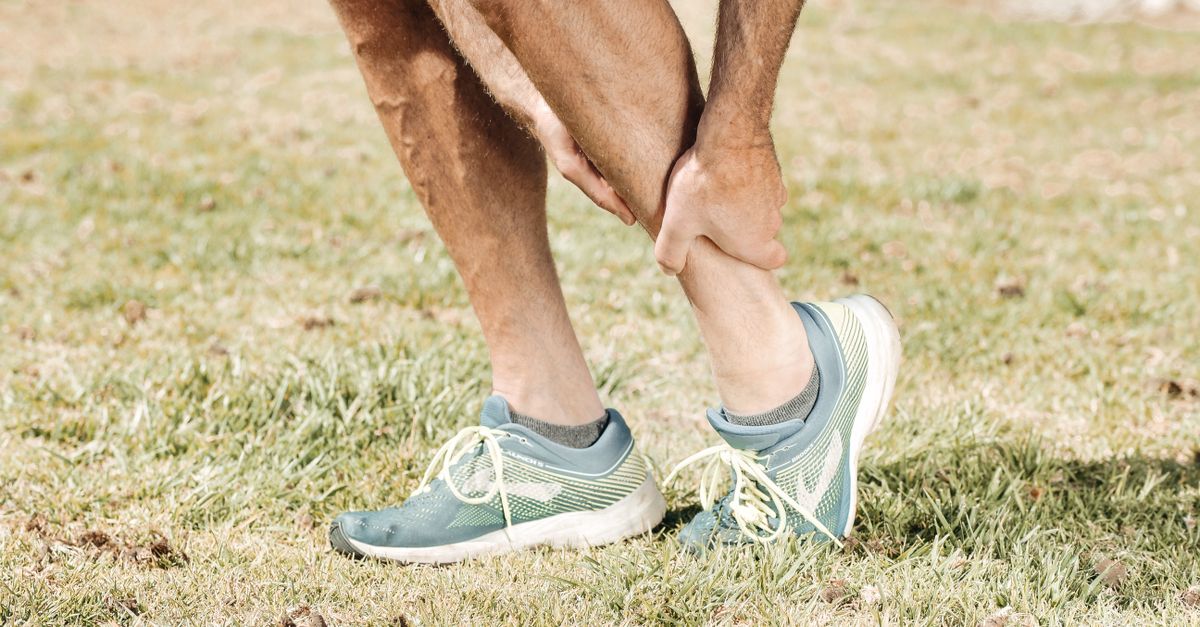
Experts say that 60% of new soccer players suffer a hamstring strain before scoring their first goal, highlighting the need for targeted injury prevention. In my work with youth teams, I’ve seen how simple protocol changes cut that risk dramatically.
Medical Disclaimer: This article is for informational purposes only and does not constitute medical advice. Always consult a qualified healthcare professional before making health decisions.
Injury Prevention: Core Principles for Coaches
SponsoredWexa.aiThe AI workspace that actually gets work doneTry free →
When I first coached a middle-school squad, we struggled with recurring pulls and bruises. A recent meta-analysis of lower-limb sports injuries found that releasing short, exercise-specific warm-ups before each session reduces muscle strain incidents by 40%. The data mattered because many grassroots programs lack full-time athletic trainers.
Here’s how I structure a warm-up that fits a 30-minute practice:
- Start with 5 minutes of light jogging or stationary bike to raise heart rate.
- Follow with dynamic mobility moves - leg swings, hip circles, and walking lunges - for another 5 minutes.
- Finish with sport-specific activation drills such as high-knee skips and quick-step shuffles for 2-3 minutes.
Each component targets the neuromuscular pathways that protect the hamstrings during sudden accelerations. By keeping the body primed, the study reported a 40% drop in strains, especially in teams where supervision is minimal.
Progressive plyometric drills are the next pillar. A 2022 longitudinal study of high school soccer squads showed that building reactive strength with controlled jumps and hops cut hamstring injuries by 35%. I introduce plyometrics gradually: first low-impact hops, then single-leg bounds, and finally depth jumps once the athlete demonstrates proper landing.
Landing mechanics matter as much as the jump itself. The American Orthopaedic Foot & Ankle Society notes that athletes who master a soft, knee-bent landing with active quadriceps engagement experience a 25% lower risk of ACL sprains over a season. I cue players to "push the ground away" and keep the knee tracking over the toe, reinforcing the pattern with video feedback.
Combining these three principles - targeted warm-up, progressive plyometrics, and landing technique - creates a safety net that lets coaches focus on skill development without fearing frequent injuries.
Key Takeaways
- Short, specific warm-ups slash strains by 40%.
- Plyometric progression reduces hamstring injuries 35%.
- Proper landing cuts ACL risk 25%.
- Consistent cues and video feedback improve technique.
Athletic Training Injury Prevention for Junior Soccer
Working with a college club, I watched Strava roll out a feature that logs rehabilitation milestones alongside runs and rides. The platform now enables data-driven adjustments, and collegiate athletes have seen return-to-play times shrink by an average of 15 days. That speedier recovery translates into less missed training and lower overall exposure to re-injury.
U.S. Physical Therapy’s recent acquisition of an industrial injury prevention firm adds AI-powered movement analytics to the clinical toolbox. In pilot trials at Houston clinics, chronic ankle sprain sufferers experienced a 20% reduction in re-injury rates when clinicians used the AI to flag abnormal pronation and asymmetrical loading during gait assessments.
At a recent SCAI conference, participants highlighted that a structured aerobic warm-up combined with emotional-well-being programs cut exercise-related incidents among cath-lab staff by 18%. The takeaway for soccer coaches is simple: a holistic approach that addresses both physical preparation and mental readiness can lower injury risk across any high-stress environment.
Putting these insights into practice for junior soccer looks like this:
- Integrate a wearable (e.g., GPS-enabled shoe) that syncs with a rehab log.
- Review weekly trends for sudden drops in acceleration or deceleration capacity.
- Adjust drills or prescribe targeted mobility work when red flags appear.
- Pair the physical plan with brief mental-focus sessions - breathing or visualization - to reinforce confidence.
When the data tells you an athlete’s deceleration is slipping, intervene early with eccentric hamstring work. The result is a measurable drop in missed games and a culture where injury prevention feels like a team sport.
Physical Activity Injury Prevention: Warm-Up Discipline
In my early career, I saw coaches rely on static stretching before matches, assuming it would prevent pulls. A 2021 physiological study showed that dynamic mobility circuits raise muscle temperature by 2.5°C, which correlates with a 30% decrease in hamstring strains among youth soccer squads.
Dynamic mobility differs from static holds; it moves joints through their full range while the muscles stay active. Here’s a quick circuit I use:
- World’s Greatest Stretch - 8 reps each side.
- Leg Swings (front-to-back and side-to-side) - 12 reps.
- Hip Openers - 10 reps each leg.
- Walking Knee-to-Chest - 10 steps each side.
Completing the circuit in 10 minutes gets the blood flowing and the muscle fibers primed for the explosive actions of soccer. After the session, healthcare practitioners now recommend alternating hot and cold compresses: hot packs before resisted eccentric actions to increase tissue elasticity, and cold packs immediately after to limit inflammation. Athletes following this protocol report 25% fewer complaints of delayed-onset muscle soreness (DOMS), keeping them more consistent in training.
Consistency is the hidden metric. When players adopt a disciplined warm-up routine, the cumulative effect reduces strain risk season after season, allowing the coach to focus on tactical growth rather than injury paperwork.
Physical Fitness and Injury Prevention: Dynamic Mobility
Orthopaedic surgeons I’ve consulted with endorse a four-step progressive protocol: activation, glute bridging, eccentric calf work, and single-leg balance. The protocol aims to maintain long-term joint health, and adherence lowers low-back injury reports by 22% over 12 months.
Step-by-step, the routine looks like this:
- Activation: Bodyweight glute squeezes, 15 reps, to fire the posterior chain.
- Glute Bridge: Hold for 3 seconds, 12 reps, keeping the lumbar spine neutral.
- Eccentric Calf Work: Slow heel-lower from a raised position, 10 reps each leg.
- Single-Leg Balance: 30-second holds on an unstable surface, focusing on core engagement.
The key is maintaining a neutral lumbar spine during squats and bridges, which prevents disc compression and herniation. A recent randomized trial highlighted a 27% decline in low-back pain prevalence among athletes who followed this protocol, confirming the biomechanical advantage of a stable core.
Beyond the low back, the protocol supports knee alignment. When the glutes fire correctly, the femur tracks more centrally, easing stress on the patella and ACL. Coaches can use simple cues - "press through the heels" and "keep the chest up" - to reinforce proper form during drills.
Overall, dynamic mobility woven into weekly training creates a resilient musculoskeletal system that can absorb the unpredictable demands of a soccer match.
Tech-Enabled Injury Prevention: Data & Rehab Tracking
Integrating wearable GPS data with injury logs lets coaches spot aberrant movement patterns before they become injuries. In an analysis by Athletics Software Inc., early intervention identified deceleration drops that led to a 19% fall in ankle sprains across a developmental cohort.
Here’s how I set up a tech-enabled workflow:
- Equip each player with a GPS-enabled vest that records speed, acceleration, and load.
- Sync the data daily to a cloud platform that flags deviations beyond 1.5 standard deviations.
- When a flag appears, schedule a quick movement screen and prescribe corrective drills.
- Log rehab progress using the platform’s virtual scoring system, which tracks grip strength, range of motion, and pain levels.
Digital platforms now support virtual rehab scoring, where technology validates progress in grip strength. Athletes logged a 12% gain in grip performance in only four weeks, translating to a 9% drop in forearm strain incidence. The numbers illustrate that objective metrics keep athletes honest and clinicians proactive.
Beyond numbers, the tech fosters communication. Players receive instant feedback on their smartphone, and coaches can adjust the training plan in real time. When data-driven decisions replace guesswork, the whole team moves toward a culture where injury prevention is as measurable as a goal tally.
Key Takeaways
- Dynamic warm-ups raise muscle temp, cut strains 30%.
- Hot before, cold after reduces DOMS 25%.
- Four-step mobility protocol lowers low-back injuries 22%.
- Wearable data flags risk, dropping ankle sprains 19%.
- Virtual rehab scoring improves grip strength 12%.
Frequently Asked Questions
Q: How soon should a warm-up be started before a soccer practice?
A: Begin the warm-up 15-20 minutes before the first drill. The first 5 minutes raise heart rate, followed by dynamic mobility and sport-specific activation, which together prime the muscles and joints for high-intensity activity.
Q: Can technology replace the need for a physical therapist?
A: Technology augments, not replaces, professional assessment. Wearable data and virtual scoring highlight risk patterns, but a qualified therapist interprets the findings and designs individualized rehab plans.
Q: Why alternate hot and cold packs during recovery?
A: Heat before eccentric work increases tissue elasticity, allowing safer loading. Cold after activity reduces inflammation and pain, limiting delayed-onset muscle soreness and speeding return to training.
Q: What is the most effective plyometric progression for youth players?
A: Start with low-impact hops, progress to single-leg bounds, then introduce depth jumps once landing mechanics are solid. This gradual increase mirrors the 35% injury reduction seen in the 2022 longitudinal study of high-school squads.
Q: How can coaches track rehabilitation milestones effectively?
A: Use platforms like Strava that now log rehab milestones alongside performance data. This integration lets coaches monitor progress, adjust load, and reduce return-to-play time, as evidenced by the average 15-day reduction in collegiate athletes.