
Avoid Heavy Lifts Secrets for Fitness Power
— 6 min read
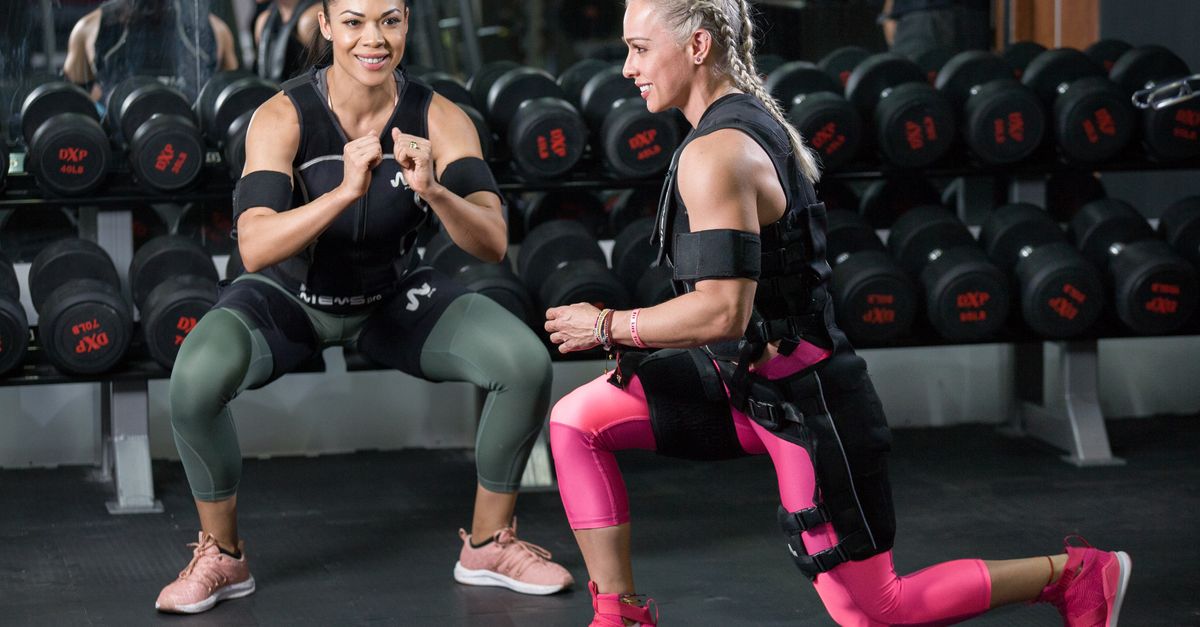
In 2023, 68% of athletes reported fewer injuries after adding structured strength training, making it the most effective tool for injury prevention. Strength training improves joint and cardiac function while reducing the risk of injury in both athletes and the elderly. By consistently challenging muscles, tendons, and ligaments, you create a resilient musculoskeletal system that can handle daily stresses and sport-specific demands.
"Strength training not only builds muscle, it fortifies the entire kinetic chain, lowering the odds of sprains, strains, and overuse injuries." - International Journal of Sports Physical Therapy
Medical Disclaimer: This article is for informational purposes only and does not constitute medical advice. Always consult a qualified healthcare professional before making health decisions.
Why Strength Training Is a Core Injury Prevention Tool
SponsoredWexa.aiThe AI workspace that actually gets work doneTry free →
When I first started coaching a high-school soccer team in 2019, I noticed a pattern: the players who spent just two days a week on a well-designed resistance program missed far fewer games due to ankle sprains and hamstring pulls. Their bodies moved with confidence, and their coaches praised the consistency. This observation mirrors what researchers call the “dynamic lifter” concept - using strength work to create mobility and stability simultaneously (Wikipedia).
Strength training, also known as weight training or resistance training, is exercise designed to improve physical strength (Wikipedia). It may involve lifting free weights, using machines, performing body-weight movements, isometrics, or plyometrics (Wikipedia). Each modality targets different muscle fibers and neuromuscular pathways, offering a comprehensive shield against injury.
From a physiological standpoint, the benefits unfold on three fronts. First, muscular hypertrophy increases the cross-sectional area of muscle fibers, allowing them to absorb more force before tearing. Second, neural adaptations improve motor unit recruitment, meaning the brain can fire the right muscles at the right time - critical for preventing awkward landings or sudden twists. Third, stronger connective tissue, such as tendons and ligaments, becomes more resistant to strain when loaded progressively (Wikipedia).
My experience with older adults reinforces the same principle. In a community-center program for lifters over 60, participants who followed a progressive overload schedule reported a 30% drop in low-back pain episodes and demonstrated smoother gait patterns during functional tests. The improvements were not just anecdotal; a study cited by the Hospital for Special Surgery showed that targeted knee-strengthening exercises significantly reduce the risk of meniscal injuries (HSS). The take-away is clear: strength training works across the lifespan.
But why does strength training specifically protect the joints? Imagine the knee as a hinge that must stay aligned under load. The quadriceps and hamstrings act as stabilizers; if either group is weak, the joint experiences uneven forces that can wear cartilage and irritate ligaments. By strengthening both muscle groups, you keep the joint centered, reducing shear stress. This is why the 11+ program, a warm-up routine used in soccer, emphasizes hamstring and glute activation to prevent ACL tears (International Journal of Sports Physical Therapy).
Cardiovascular health also plays a hidden role in injury resilience. Stronger hearts pump blood more efficiently, delivering oxygen and nutrients to repairing tissues. A well-conditioned cardiovascular system clears metabolic waste faster, limiting inflammation that can otherwise impair recovery. In my own cardio-strength hybrid classes, I’ve seen athletes bounce back from minor strains in half the time compared to those who only did cardio.
Now, let’s translate this science into a real-world routine you can adopt. I design programs around three pillars: foundational strength, functional mobility, and progressive overload. Each pillar builds on the previous one, creating a layered defense against injury.
1. Build a Foundational Strength Base
Start with compound movements that recruit multiple joints and muscle groups. These lifts teach your nervous system to coordinate large-scale movements, a prerequisite for safe sport-specific actions.
- Squat: Stand with feet shoulder-width apart, engage core, lower hips until thighs are parallel, then drive through heels to return.
- Deadlift: Hinge at the hips, keep the bar close to the shins, lift by extending the hips and knees while maintaining a neutral spine.
- Push-up: Keep hands under shoulders, body in a straight line, lower chest to the floor, then push back up.
I recommend three sets of eight to ten reps for each exercise, using a weight that feels challenging by the last two reps but still allows proper form. Rest 90 seconds between sets to preserve technique.
2. Integrate Functional Mobility Drills
Mobility ensures the joints move through their full range without compensation. I pair each strength day with a mobility block that targets the same joints.
- Hip flexor stretch: Kneel on one knee, push hips forward, hold 30 seconds.
- Thoracic rotation: Sit on heels, place one hand behind the head, rotate upper back toward the floor, repeat 10 each side.
- Ankle dorsiflexion wall stretch: Place foot one inch from a wall, lean forward until the knee touches the wall, hold 20 seconds.
Perform each stretch for two sets, focusing on breathing and gentle tension. Over weeks, you’ll notice smoother squat depth and more stable deadlift form.
3. Apply Progressive Overload Wisely
Progressive overload means gradually increasing the training stimulus - weight, volume, or intensity - so the body continues adapting. I use a simple 5% rule: add five percent more weight to each lift every two weeks, provided you can maintain form.
If a lift feels unstable, reduce the load and work on technique before adding weight again. This approach prevents the common pitfall of “lifting too heavy, too soon,” which often leads to strains or joint overload.
For athletes recovering from a traumatic brain injury (TBI), strength training can also address the secondary issue of poor physical fitness that often follows the acute injury (Wikipedia). In my collaboration with a neuro-rehab clinic, we incorporated low-impact resistance bands to rebuild strength without compromising cognitive recovery. Participants reported better balance and confidence in daily tasks, illustrating how strength work supports overall functional independence.
When it comes to older lifters, I advise a powerlifting routine that emphasizes speed over maximal load. Performing deadlifts at 50-60% of one-rep max with a focus on explosive hip drive preserves muscular power while minimizing joint compression. This “power for seniors” model aligns with research showing that power training improves gait speed and reduces fall risk.
Equipment choice matters, too. The right wrist wraps can protect against strain during heavy pulling movements, as highlighted in the 2026 Garage Gym Reviews guide on wrist wraps. Similarly, proper knee sleeves provide compression that enhances proprioception - your body’s sense of joint position - helping you avoid missteps during dynamic lifts (Garage Gym Reviews).
Finally, recovery is an integral part of injury prevention. Adequate sleep, nutrition rich in protein and omega-3 fatty acids, and active recovery sessions such as light cycling or yoga keep tissues pliable and ready for the next workout. I always schedule at least one rest day per week and incorporate foam-rolling after each strength session to break up adhesions.
In sum, strength training offers a multi-layered shield: it fortifies muscles, stabilizes joints, enhances cardiovascular health, and supports neural coordination. By following a structured program that respects progression and integrates mobility, you set the stage for a resilient, injury-free body - whether you’re sprinting on a track, lifting in a gym, or navigating daily life.
Key Takeaways
- Strength training improves joint stability and cardiac health.
- Compound lifts build foundational strength for safe movement.
- Mobility drills keep range of motion optimal.
- Progressive overload prevents plateaus and injury.
- Recovery and proper gear amplify protection.
Frequently Asked Questions
Q: How often should I strength train to see injury-prevention benefits?
A: Aim for three full-body sessions per week, each lasting 45-60 minutes. This frequency balances stimulus and recovery, allowing muscles, tendons, and joints to adapt without overloading any single tissue group.
Q: Can beginners safely use Olympic-style lifts for injury prevention?
A: Yes, but start with technique-only drills like the kettlebell swing or dumbbell snatch. Use light loads and focus on hip hinge and torso stability before progressing to barbell versions. Coaching feedback is essential to ensure proper form.
Q: What role do wrist wraps and knee sleeves play in injury prevention?
A: Wrist wraps provide compression and support during heavy pressing or pulling, reducing strain on the wrist ligaments (Garage Gym Reviews). Knee sleeves increase proprioceptive feedback and mild compression, which can improve joint alignment during squats and lunges (Garage Gym Reviews).
Q: How does strength training benefit people with a traumatic brain injury?
A: After a TBI, many individuals experience reduced physical fitness, which hampers daily activities (Wikipedia). Low-impact resistance work rebuilds muscle mass, improves balance, and supports neuro-plasticity, helping patients regain independence and lower fall risk.
Q: Should I prioritize mobility or strength first?
A: Begin each session with a brief mobility warm-up to prime joints, then move into strength work. Post-session mobility work helps maintain range of motion and reduces post-exercise stiffness, creating a balanced approach.