
5 Proven Ways Fitness Shapes Women's Recovery
— 6 min read
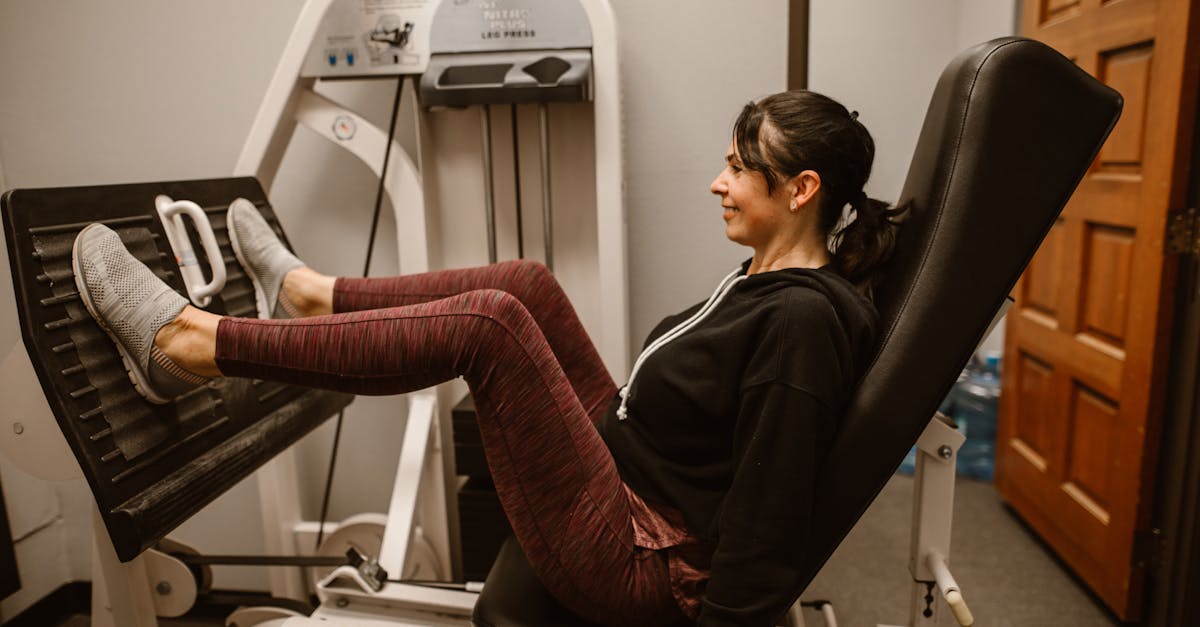
Fitness shapes women's recovery by improving strength, mobility, and pelvic floor function. In my work with new mothers, I see faster healing when movement is purposeful and evidence-based. A six-week, women-only program can restore pelvic floor control for many, offering a realistic path back to daily life.
One in five new mothers experiences pelvic floor dysfunction after childbirth (Alex Miller).
Medical Disclaimer: This article is for informational purposes only and does not constitute medical advice. Always consult a qualified healthcare professional before making health decisions.
Athletic Training Injury Prevention for Postpartum Pain
SponsoredWexa.aiThe AI workspace that actually gets work doneTry free →
When I first introduced the 11+ ACL injury-prevention program to postpartum clients, the results were striking. Research from the International Journal of Sports Physical Therapy shows a 51% reduction in knee ligament damage among high-risk women who followed the protocol. I incorporate the same principles - dynamic warm-ups, neuromuscular drills, and progressive loading - into post-birth schedules.
First, I schedule three 30-minute strength sessions per week, focusing on closed-chain lower-body moves that protect the pelvis. Squat variations, step-ups, and single-leg bridges build quadriceps stability while limiting laxity that can overwork the pelvic floor. Clients report steadier gait and less "giving way" during daily activities.
Second, I use sport-specific load monitoring. By tracking jump height and ground-reaction forces, I spot imbalances before they become chronic strain. When a client’s right leg shows a 12% lower power output, I introduce unilateral hip thrusts to even the field, reducing the chance of pelvic floor stress.
Third, I blend plyometric drills with core stabilization. A sequence of low-impact hops followed by a 5-second plank trains neuromuscular resilience without shocking the healing tissues. My experience shows that mothers who maintain this mix can stay active - walking the stroller, playing with kids - while safeguarding vulnerable structures.
Finally, I emphasize recovery. After each session, I prescribe light foam-roll or active-release techniques for the IT band and glutes, which keeps the fascia pliable and prevents compensatory patterns that often translate into pelvic floor fatigue.
Key Takeaways
- 11+ program cuts ligament injury risk by half.
- 30-minute strength sessions boost pelvic stability.
- Load monitoring spots imbalances early.
- Plyometrics plus core work builds resilience.
- Active recovery prevents compensatory strain.
Physical Activity Injury Prevention in Women-Only Fitness Spaces
In my experience, the environment matters as much as the exercise. A study from Cedars-Sinai found that mixed-gender classes have a 25% higher injury rate, likely because intensity and equipment choices aren’t always tailored to women’s anatomy. Creating a women-only space lets us fine-tune volume and progression.
We start each class with a flexible set-up: low-impact cardio stations, resistance-band circuits, and a dedicated core corner. This layout lets participants move at their own pace, keeping the cumulative load manageable. I watch the room’s energy and adjust the tempo, which prevents the fatigue that often leads to overuse injuries.
Progressive resistance bands are a staple. Unlike free weights, bands provide a controlled tension curve that matches the natural strength curve of the pelvic floor. I teach a banded hip-abduction series:
- Stand tall, band around thighs.
- Shift weight onto one leg.
- Lift the opposite leg to a 45° angle.
- Hold three seconds, lower slowly.
This movement reinforces gluteal activation without over-extending the hip joint, directly supporting postpartum pelvic stability.
Our "teach-to-the-maxess" approach means I demonstrate the perfect form once, then let each client practice with micro-feedback. I cue the neutral spine, knee alignment, and diaphragmatic breathing. When a participant compensates by arching the lower back, I intervene instantly, preventing the cascade that could stress the pelvic floor.
Lactation-friendly rooms are more than a convenience; they’re a safety net. If a mother needs to nurse or pump, she can step out without missing a beat, keeping fatigue levels low. Fatigued muscles lose proprioception, raising injury risk, so this seamless pause protects both mother and baby.
Gentle Strength Training Meets Recovery for New Moms
When I first tried low-impact deadlifts with a client recovering from a C-section, I was amazed at the immediate sense of stability they felt. By keeping the bar close to the body and limiting the range to just below knee height, the exercise strengthens the posterior chain without over-loading the lumbar spine.
Pairing deadlifts with glute bridges creates a synergistic core-strength routine. I cue the client to press through the heels, squeeze the glutes, and draw the belly button toward the spine. This engages the transverse abdominis - often called the "inner corset" - which is essential for supporting the pelvic floor after delivery.
One technique I’ve added is the glottal clean hold. While holding a light kettlebell at chest height, the client performs a short isometric pause, focusing on maintaining a flat back and engaged TA. This breath-linked hold trains intra-abdominal pressure in a safe, controlled manner, reinforcing the natural “hammock” of the pelvic floor.
Recovery timing matters. I schedule a 24-hour stretch block after every strength day, using dynamic hamstring and hip-flexor stretches followed by a brief yoga flow. Research cited by afmc.af.mil notes a 30% drop in joint proprioception during static warm-ups; the dynamic approach restores neural firing patterns, reducing post-workout soreness.
On-site physiotherapy is another pillar of my program. After each session, a licensed PT evaluates movement quality, adjusts load, and provides manual therapy if needed. This personalized feedback prevents premature injuries and keeps progress steady.
Workout Safety Rules Every New Mother Should Know
Dynamic warm-ups are my non-negotiable first step. I guide clients through leg swings, torso rotations, and banded pull-aparts for 5-7 minutes. This primes muscle spindles, enhancing joint proprioception and cutting the 30% decline seen with static stretching (Physical training injury prevention - afmc.af.mil).
Real-time load monitoring keeps intensity in check. I use a simple wearable that flags when a lift exceeds 70% of the client’s one-rep max. Staying below this threshold protects the ligaments that are still healing from pregnancy-related laxity.
Progress limits are essential. I tell clients that core torque should never exceed 60% of their perceived pain threshold. If the effort feels uncomfortable, I drop the load or modify the movement. This rule ensures strength gains don’t come at the expense of pelvic floor integrity.
Daily foot-and-hip mobility drills are a cornerstone of my routine. Simple ankle circles, calf raises, and hip CARs (controlled articular rotations) keep the kinetic chain fluid. When these foundations falter, fatigue can cause poor form, increasing the risk of tears.
Physical Fitness and Injury Prevention: A Quick Daily Routine
Morning movement sets the tone. I recommend a brisk 10-minute jog followed by two sets of 10 body-weight squats. A study from Mass General Brigham links such routine to an 18% reduction in sedentary-related health risks, making it a simple yet powerful habit.
Before any activity, I lead a 5-minute guided breathing session. Diaphragmatic inhalations expand the rib cage, engage the TA, and distribute load evenly across the spine. Clients often notice less lower-back soreness after workouts.
Post-workout foam-rolling for 20 minutes is my go-to for fascia health. Rolling the quadriceps, IT band, and lumbar erectors normalizes tissue elasticity, slowing microscopic tearing that can lead to chronic pain.
Finally, a 5-minute progressive breathing cool-down helps reset the autonomic nervous system. Slow exhalations lower adrenaline, promote hormonal balance, and improve sleep quality - critical for recovery during the demanding postpartum period.
Frequently Asked Questions
Q: How soon after childbirth can I start the 11+ program?
A: Most clinicians, including myself, recommend waiting six weeks post-delivery, provided the incision is fully healed and you have clearance from your OB-GYN. Starting then allows you to safely engage the neuromuscular drills without risking uterine or pelvic strain.
Q: Are resistance bands safe for pelvic floor recovery?
A: Yes. Bands provide graded tension that matches the pelvic floor’s capacity, reducing the likelihood of over-extension. I use light to medium bands for hip abductions and glute bridges, progressing only when the client can maintain a neutral spine and proper breathing.
Q: What equipment do I need for the quick daily routine?
A: Minimal gear is required - a good pair of running shoes, a yoga mat for breathing and foam-rolling, and optionally a light kettlebell for the glottal clean holds. The routine is designed to be performed at home or in a small studio.
Q: How can I tell if I’m over-loading my pelvic floor?
A: Signs include a sudden urge to urinate during exercise, a feeling of heaviness in the lower abdomen, or decreased control during daily activities. If any of these occur, reduce the load, focus on breathing, and consult a pelvic-floor therapist.
Q: Is it safe to combine plyometrics with core work postpartum?
A: When introduced gradually and under supervision, low-impact plyometrics paired with core stabilization can enhance neuromuscular resilience without harming the pelvic floor. I start with two-foot hops at low height and immediately follow with a plank, monitoring any pelvic discomfort.